How to Optimize Content for ChatGPT, Gemini, and Perplexity?

The internet search landscape is changing significantly. For years, professionals relied on SEO. With the coming in of AI tools, there’s been a massive shift. Roughly 20% of humanity uses AI tools for various purposes, with 500-600 million engagements per day. Amongst all, ChatGPT, Gemini, and Perplexity are the most commonly used AI tools.

With the growth of AI, SEO professionals are now turning to AEO or Answer Engine Optimization. Through AEO, you can tailor your web content to AI search engines. If you want your business to grow online today, it is important to tailor your content to AI engines. These help to boost searchability and visibility. Recent studies show that AI-powered search engines now handle 30% of online searches.

Let’s explore how to optimize content for these AI-powered engines.

What are AI Overviews?

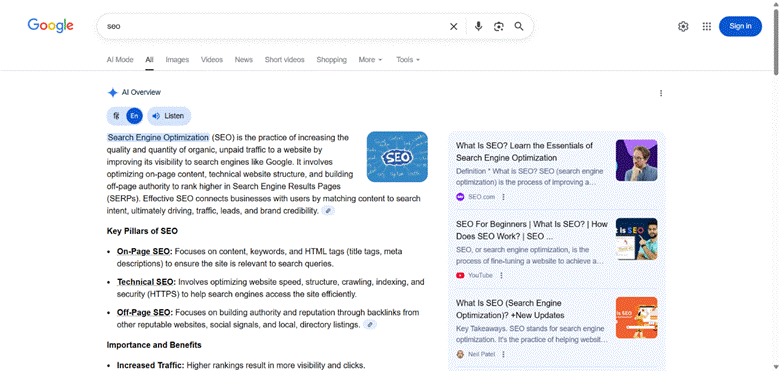
Formerly known as Search Generative Experience (SGE), AI overviews are Google’s entry into generative AI, integrated into core search results. Google now just doesn’t provide links as answers to your queries, but a concise answer. An AI-generated summary appears at the top of the SERP as an answer to the user’s query.

Botify’s AI Overviews study shows that AI overviews currently appear in around 47.4% of search queries. This is having a significant impact on how users interact with search. These AI overviews extract information from various sources, such as the web, and provide a direct citation for each. Businesses and content creators are no longer depending on ranking #1; they are focusing on staying relevant, per AEO.

Read More

The Growth of Digital Shopping: A New Era Awaits

E-commerce is changing significantly with the introduction of cutting-edge yet new technologies. In the past few years, you might have noticed major changes in the ecommerce market. If we talk about online shopping, it has become the foundation of the global economy. This is because of switching from simple transactions to personalized, immersive experiences. Now, AI-powered technologies and the latest techniques have entered the market to reconsider the relationship between offline and online commerce.

The e-commerce sector is shaping at a fast pace. If you have an online business, then you need to stay yourself informed about the latest trends to remain competitive. Let’s check out what the most impactful trends in the ecommerce field are.

1. Introduction of Hyper-personalization and Artificial Intelligence

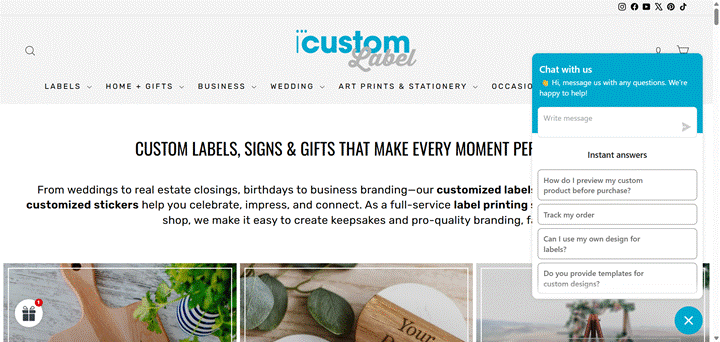
Nowadays, most e-tailing places like iCustomLabel.com are integrating AI-powered tools like ChatGPT into search bars that let customers use natural language in lieu of natural language. Plus, they are using AI chatbots as personalized shopping assistants or personal stylists to provide the best recommendations for products through a deep analysis of a customer’s preferences, past behavior, and real-time browsing. There is no need to change content and pricing manually.

2. Shifting to Shoppable Content and Social Commerce

The prime objective of e-commerce websites is to encourage users to make a purchase without leaving the application. So, numerous companies have fully integrated storefronts in social media platforms such as Instagram and Facebook. Big creators and brands may tag their products in livestreams and videos to enable impulsive and instant purchases.

Read More

Local Citations: What They Are & How to Build Them Effectively

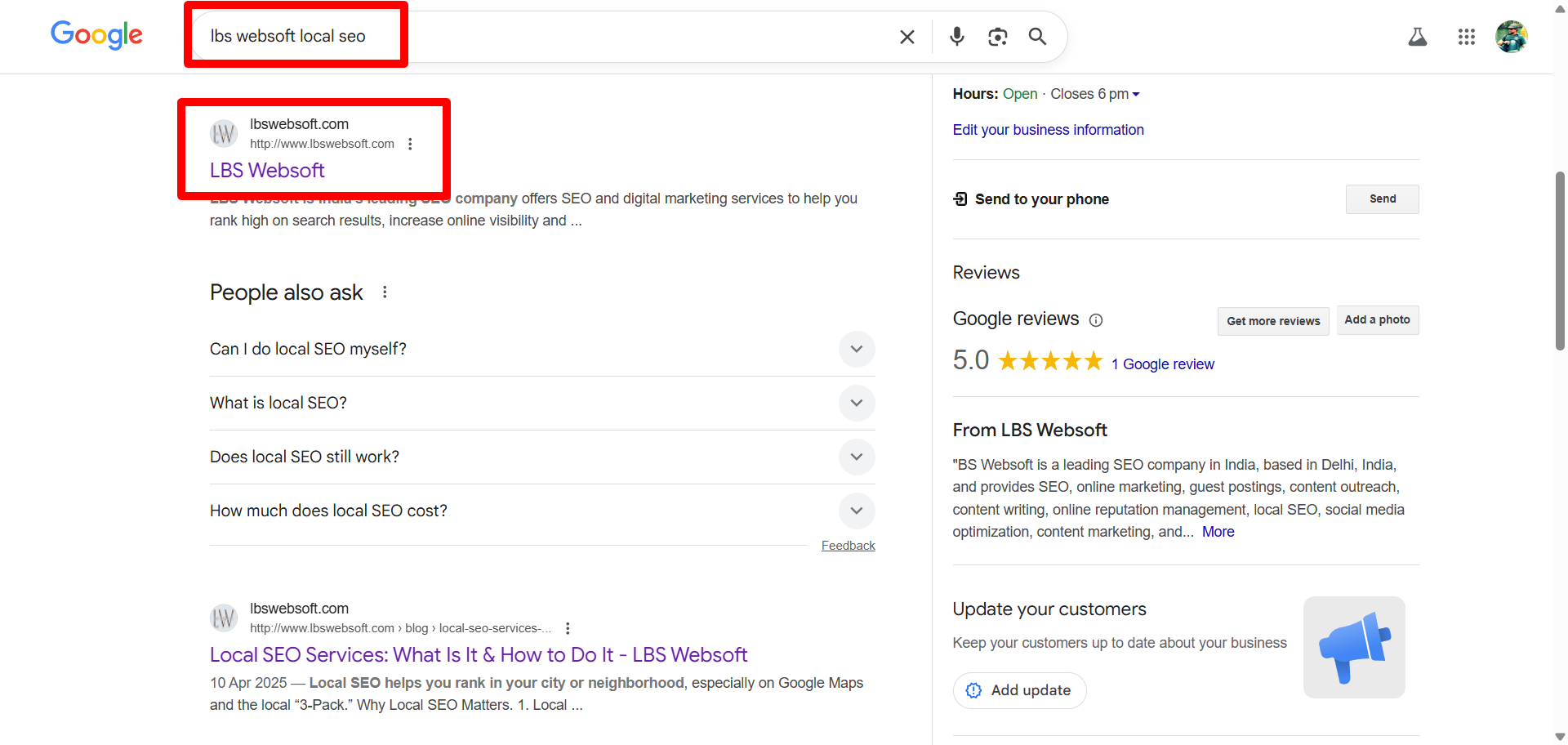
Is your target audience local? Do you want to optimize your online business for nearby customers to gain more traffic, sales, and leads? This can be achieved through Local SEO services or Google Business Profile (GMB) optimization. When we implement a Local SEO strategy to improve your visibility in Google’s local search results, citations play a crucial role.

What Are Local Citations?

Local citations are a core element of Local SEO. They include your business’s Name, Address, and Phone number (NAP) listed across online directories and platforms. Google places high importance on the accuracy and consistency of your NAP information, as it helps build trust and credibility for both search engines and customers.

There are two main types of citations:

Structured Citations: These appear in official online directories such as Yelp, Yellow Pages, and Google Business Profile, where your business details follow a consistent and organized format.

Unstructured Citations: These are casual mentions of your business name and information found in blog posts, social media platforms, news articles, or other online content without a fixed directory format.

Read More

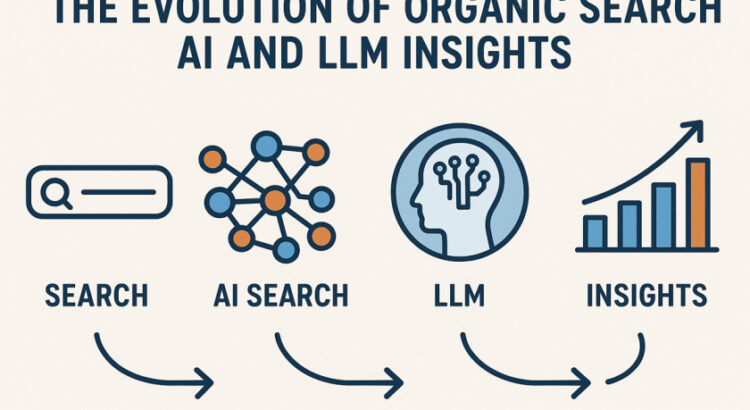
The Evolution of Organic Search AI and LLM Insights

“Organic search” is a term used for results or listings that appear organically on a search engine result page and that are not paid for.

Apparently, some businesses run paid or pay-per-click campaigns that make their websites appear above the search listings; these lists in the search results are called paid search results or search engine ads. Both organic search results and paid research results work differently and, to some extent, serve different purposes for the marketer.

What is Organic Search?

It is the SEO strategies, applied by a business, that get their website appear on the SERP organically or naturally. The better you optimize your pages, the higher they appear in search results.

Search engines, like Google, Yahoo, Bing, and others, use complex algorithms to list websites in search results on the basis of a few factors. For example:

  • How relevant is a website or page for the user’s search query?
  • What value does the page offer to the user? Does the page offer any resolution to the user’s query?
  • Does a page have high-quality backlinks? What is the domain authority of the page?

Of these, the most important factor is relevance. If the bots or crawlers sent by the search engine sense that your website is relevant to the user’s search query, it will show up in the organic search listings. You technically don’t pay a penny to the search engine for getting a rank or position on the SERP, or search engine result page.

Read More

The Future of SEO Marketing Isn’t Humans vs AI- It’s Humans with AI

Several business owners have lately observed their website traffic going down. Around 60% of searches today don’t end up in a click. Why? Because people receive answers from AI. As soon as one puts up a query, you’ll get AI-generated, accurate answers. Thus, one may not need to visit the website either.

Don’t be worried. The good news is, the AI that is probably killing your business’s traffic will also help to drive growth. When AI and SEO work together, it can drive wonders. SEO isn’t only about keywords, algorithms, and rankings. It’s about building trust. It’s about strategy and social much more.

SEO Marketing in the Age of AI

With the coming of AI, the customer search behaviour is changing significantly. Well, Google has been weaving AI into its search algorithm for a very long time. RankBrain can easily interpret content, while BERT helps search engines understand language’s context better.

Despite all this, a significant question remains: Is SEO relevant in the age of AI? Well, sure it is. You may come across headlines that say AI will replace SEO or SEO is dead, but don’t just believe them. SEO is not dead; it is evolving. AI will only improve the process. Many are calling it Adaptive SEO.

Read More