Small Business Link Building Strategy That Improve Rankings and Organic Traffic

Links play a critical role in SEO and online marketing. E-commerce companies especially local businesses need to utilize various strategies to get attention by their target audiences in order to survive and thrive in the game of online marketing. Link building, therefore, becomes part of a strong SEO strategy that is used to successfully grow a business entity. 

What Happens When You Implement the Right Link Building Strategy?

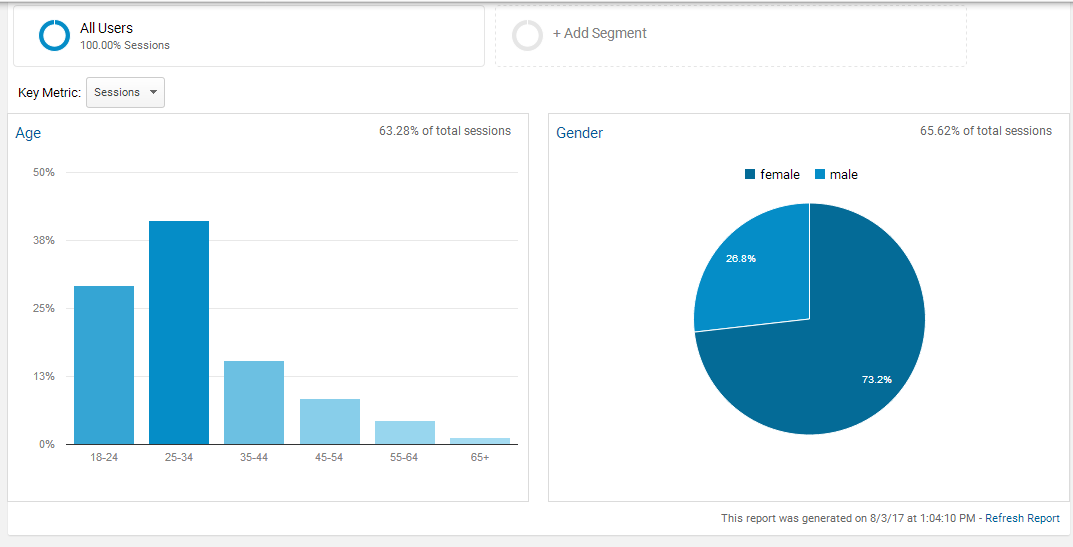
Our proven link building strategy has delivered significant improvements in both organic traffic and search engine rankings for our SEO clients. Within just three months of implementation, we achieved measurable growth in website visibility and performance. Take a look at the Google Analytics screenshot below to see the results.

Read More

Best SEO Practices for Your Cannabis Marketing Strategy

If you’re the owner of a cannabis retailer or product, catchy marketing and SEO is a sure way to differentiate your brand from competing for cannabis dispensaries. Recent marijuana legalization in some U.S. states has welcomed the reimagination of cannabis, and those who work in the marijuana industry have been able to push the boundaries even further in terms of creative marketing strategies. To pique the interest of new potential cannabis users, dispensary owners could benefit from investing in attractive and unique marketing campaigns, ads, and slogans.

Why SEO Matters for Cannabis Businesses?

Search engine optimization is a key for every online business growth, for a cannabis website where Google paid search and Meta ads are prohibited, so SEO for cannabis website is more important to get visible online to reach your target audience, it is not easy at all for other services to get optimized and ranked on the Google searches.

Good SEO helps cannabis websites:

  • SEO will help your increase your reach and find the right audience organically
  • Drive long-term organic traffic without relying on paid ads
Read More

Keyword Cannibalization: Common Mistakes and How to Fix Them to Boost Your Rankings

Many SEO experts or companies suggest creating multiple webpages to target the same keywords. However, this approach can harm your website’s rankings on Google, as targeting multiple pages for the same keywords is not a recommended practice.

This technique puts Google Search in a dilemma when trying to determine which page is the most relevant for a query. Let us help you understand what keyword cannibalization is and how to fix it to prevent Google penalties.

What is keyword cannibalization?

In simple terms, creating and targeting multiple pages on your website for similar keywords is called keyword cannibalization. In such cases, Google can become confused about which page should rank for a given query. While one page with the most relevant content may rank higher, others are pushed down, creating internal competition among your webpages in search results.

For an example,

Let’s take Amazon mobile product pages as an example. On an e-commerce website, multiple URLs are often created through filters and other search parameters. This can result in several pages targeting the same products with very similar content.

If you search on Google using the query below, you’ll notice that multiple pages from the same website may rank for the same search term.

This isn’t limited to e-commerce websites. Many companies create similar static pages for the same services and target them with nearly identical metadata. This can lead to a keyword cannibalization issue. One of the most common examples is targeting the same keywords on both the website homepage and a service page.

Read More

How to do SEO: A Beginner’s SEO Guide for Small Businesses and Entrepreneurs

Don’t know how to do SEO or make your website search engine– and user-friendly? If you’re a beginner, this guide will help you optimize your website for both search engines and users. You’ll learn everything from keyword analysis to link building and website tracking.

Let’s get started with How to Do SEO: A Beginner’s Guide—a step-by-step process to follow.

What is SEO or Search Engine Optimization?

In simple terms, SEO is the process of optimizing a website for search engines and users to improve visibility, drive traffic, and increase sales using on-page and off-page techniques.

Why does SEO matter for small businesses?

Every business is moving online to generate more sales, conversions, leads, and revenue. As a result, countless businesses are creating websites and apps to attract more customers.

Because of this competition, it’s difficult for every business to rank at the top of search engines like Google. Billions of users search every day to find information and buy products or services online, and only high-ranking websites capture most of their attention.

Read More

Top SEO Mistakes Killing Rankings in 2026

Search engine optimization has evolved significantly over the years. Through all these changes, a key constant is that common SEO errors can affect your website’s visibility. Organic traffic, conversions, and so much more are all a part of SEO. If these SEO mistakes aren’t addressed in time, they’re likely to cause significant errors.

Around 53% of website traffic comes from organic searches. Despite AI-driven workflows, automations, and other tools, many businesses still struggle with SEO. With Google prioritizing experience, expertise, authority, and trustworthiness, SEO has come a long way. It’s all about establishing the reliability and relevance of your website in today’s world.

Why Do Many Websites Fail SEO?

SEO isn’t a one-time thing, but a continuous effort. Around 94% of pages have zero external backlinks. This is one of the worst aspects for businesses. Small failures also matter significantly in the long run for businesses. Here’s why SEO fails for many businesses:

  • Regular content or keyword mistakes
  • On-page SEO and user experience problems
  • Neglecting Local SEO
  • Failure of link-building or wrong strategy
  • Technical SEO issues

Common SEO Mistakes Ruining Ranks in 2026

Read More