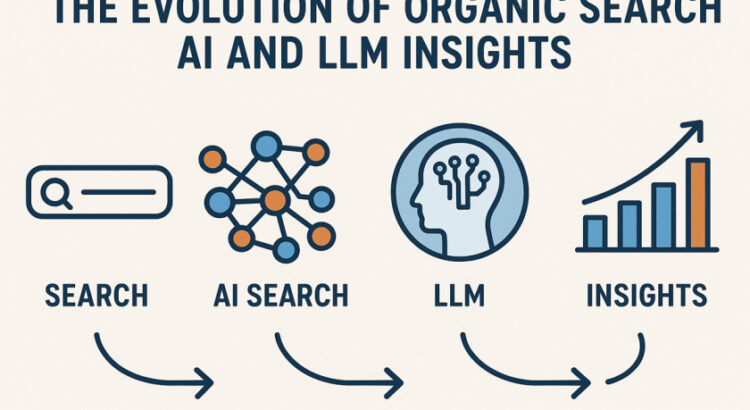
“Organic search” is a term used for results or listings that appear organically on a search engine result page and that are not paid for.
Apparently, some businesses run paid or pay-per-click campaigns that make their websites appear above the search listings; these lists in the search results are called paid search results or search engine ads. Both organic search results and paid research results work differently and, to some extent, serve different purposes for the marketer.
What is Organic Search?
It is the SEO strategies, applied by a business, that get their website appear on the SERP organically or naturally. The better you optimize your pages, the higher they appear in search results.
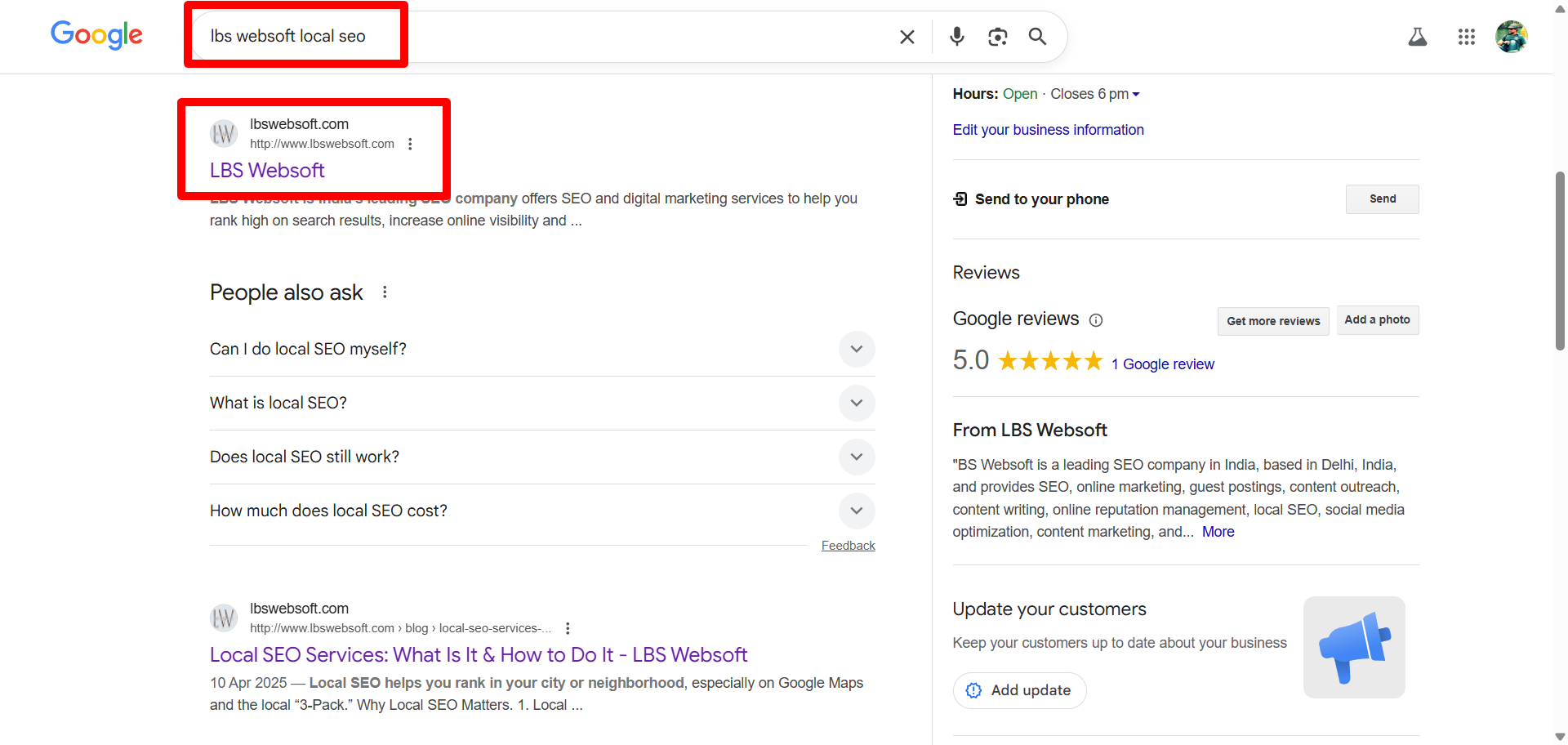
Search engines, like Google, Yahoo, Bing, and others, use complex algorithms to list websites in search results on the basis of a few factors. For example:
- How relevant is a website or page for the user’s search query?
- What value does the page offer to the user? Does the page offer any resolution to the user’s query?
- Does a page have high-quality backlinks? What is the domain authority of the page?
Of these, the most important factor is relevance. If the bots or crawlers sent by the search engine sense that your website is relevant to the user’s search query, it will show up in the organic search listings. You technically don’t pay a penny to the search engine for getting a rank or position on the SERP, or search engine result page.
The main motive of SEO, or organic search strategy, is to gain the highest ranking on the search engine result page, as it gives them maximum visibility and traffic without spending anything on pay-per-click ads.
Why Does Organic Search Matter?
The outcomes of your organic search strategies will start reflecting only after two to three months. Still, a large number of small, medium, and large businesses value organic search as a parameter of success. Experts assert that although it takes time, it lays a solid foundation and yields in the long term.
Here are some solid reasons why getting top rank in search engine results organically is important:
Cost-Effective
Hiring a team or SEO agency to boost your website’s search ranking is more cost-effective than hiring someone to run PPC ads. It is true that PPC campaigns give you quick results in terms of increased traffic and visibility. But the traffic, visibility, and sales will reduce the moment you stop running the ad.
Organic search strategies implemented today will keep your website optimized for the long term. Your website may be visible in the search results after months and years. The cost of SEO will always be lower than that of PPC.
More Trustworthy to Users
Most, if not all, users don’t want to see or engage with ads on search engines. Users trust organic or natural links more than paid links or ads in search results. The main reason for this user behavior could be the prevalence of clickbait and data collection techniques.
In addition, organic search is scalable. So is paid search. But the cost of running PPC campaigns will always rise when you refine and reimplement your search ad strategy. Companies, like iCustomLabels.com, that aggressively use SEO to improve their ranking in search results, observe higher traffic, visibility, conversion, and sales over an extended duration.
AI, LLM, & SEO
Artificial intelligence is a broad technological concept that, along with the Large Language Module (LLM), a program built on AI, has revolutionized the way SEO works and yields. A great share in the success of your organic campaign depends on the quality of your content.
Businesses use AI-based SEO and content tools to structure their content, following the upright rules of linguistics, ensuring the best possible human-like language. Because, in today’s AI-driven digital and social world, the structure of the content is the key to success!
Here’s how AI and LLM modules are bringing a major shift in organic search:
- Getting Cited in AI-Generated Answers on SERP
- Increased Trust and Domain Authority
- SEO Automation
- Getting Your Content Right
- Creating Content Based on User’s Search Intent
As the technological developments and upgrades take place, the accuracy of AI, LLM, and other AI-enabled SEO and content tools will increase too. Around the end of the past decade and the beginning of this one, it was projected that SEO will die. But it is still here. Thanks to modern technologies, especially AI, ML, and LLM, that people are still turning to Google search.
Before we end, let’s see how significant AI has already become in SEO with the following stats:
Interestingly, in 2024, the annual search volume on Google increased by 20%.
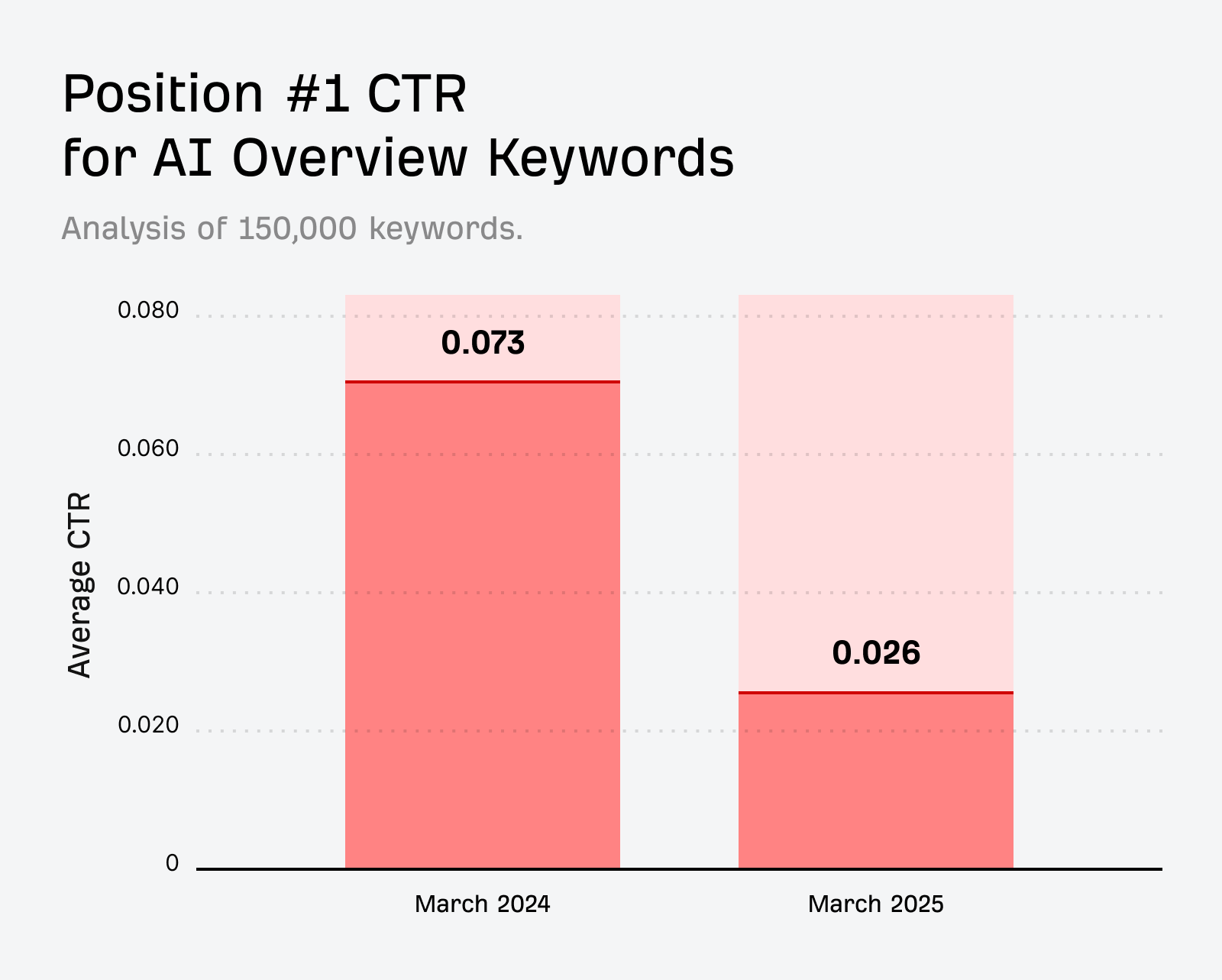
But, in the United States, only 41.5% of searches performed on Google get a link click because of Google’s AI Overview that aims to resolve users’ queries through easy-to-understand, summarized overviews on top of the search listings.
At an estimate, AI Overviews have lowered the click-through rate (CTR) by over 35%.
It is more than 85% likely that Google will use titles or elements in the page or content title to rank a website in its search results.
Over 80% of businesses proclaim that the quality of their content has improved after involving AI in SEO.
Around 40% of businesses say that their revenue has increased after integrating AI SEO. Moreover, about 75% of them use AI SEO tools almost every day.
By the end of the year 2028, the market share of AI SEO is expected to surpass the $107 billion mark.
AI and LLM have already started defying how SEO is implemented and performance in organic search listings is measured. Today, search ranking doesn’t matter much. What matters is the quality of content, how you structure it, and whether it resonates with the user’s search intent or is relevant to the search query entered.
