
E-commerce is changing significantly with the introduction of cutting-edge yet new technologies. In the past few years, you might have noticed major changes in the ecommerce market. If we talk about online shopping, it has become the foundation of the global economy. This is because of switching from simple transactions to personalized, immersive experiences. Now, AI-powered technologies and the latest techniques have entered the market to reconsider the relationship between offline and online commerce.
The e-commerce sector is shaping at a fast pace. If you have an online business, then you need to stay yourself informed about the latest trends to remain competitive. Let’s check out what the most impactful trends in the ecommerce field are.
1. Introduction of Hyper-personalization and Artificial Intelligence
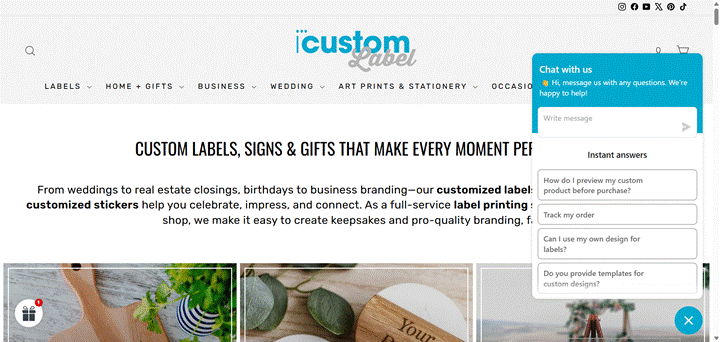
Nowadays, most e-tailing places like iCustomLabel.com are integrating AI-powered tools like ChatGPT into search bars that let customers use natural language in lieu of natural language. Plus, they are using AI chatbots as personalized shopping assistants or personal stylists to provide the best recommendations for products through a deep analysis of a customer’s preferences, past behavior, and real-time browsing. There is no need to change content and pricing manually.
2. Shifting to Shoppable Content and Social Commerce
The prime objective of e-commerce websites is to encourage users to make a purchase without leaving the application. So, numerous companies have fully integrated storefronts in social media platforms such as Instagram and Facebook. Big creators and brands may tag their products in livestreams and videos to enable impulsive and instant purchases.
3. Composable and Headless Commerce for Flexibility
To gain more control and flexibility, numerous companies are refraining from all-in-one and rigid platforms.
- Headless Commerce – It permits businesses to create fast and unique shopping experiences on devices like in-car screens, smart fridges, and websites while handling everything from a single back-end.
- Composable Commerce – In lieu of one monolithic platform, companies build their best-of-breed tech stack by selecting and integrating special vendors for every function – a best-in-class CMS, a best-in-class search, and a best-in-class checkout.
4. Sustainability as the Main Value
Top online companies are using blockchain technology that permits consumers to outline the journey of a product ranging from source to delivery. Their main focus is on recycled, plastic-free, and less packaging with carbon-neutral shipping options.
5. AR (Augmented Reality) Perfect for “Try-Before-You-Buy”
In online shopping, the main focus is on augmented reality that lets consumers try before you buy. Some of its great features are fewer returns, placement reviews, and virtual try-on.
6. Transparent and Streamlined Checkout
When it comes to internet shopping, a key issue is cart abandonment. To handle this, every entrepreneur should strive to make their payment process flawless as well as convenient for the buyers. He can integrate his website with top features like Buy now, pay later, one-click checkouts, and digital wallets, and transparent costs upfront.
7. Build trust with user-generated content
Businesses are leveraging user-generated content on their website to build trust and authenticity.
- Shoppable Galleries – Displaying curated TikTok or Instagram posts showcasing their top/newly launched products on product pages.
- Integrated User Reviews with Images/Videos – This feature encourages customers to upload images/videos along with their reviews.
- Incentivizing Content – Give exclusive discounts and offers to all those customers who post with a hashtag.
8. The development of B2B E-commerce
The B2B sector is quickly adopting the user-friendly and smooth experience of B2C.
- Complex Order Management – You can handle large and complex orders with numerous SKUs using a digital interface.
- Account-specific Pricing – Platforms that show payment terms and personalized pricing upon login seamlessly.
- Self-service Portals – B2B shoppers expect the detailed product information, the same easy search, and reordering tools they use as consumers.
9. Loyalty Programs and Subscription Models
Most companies are focusing on fostering community and creating recurring revenue.
- Replenishment Subscriptions – Such subscriptions are perfect for regularly used products such as blades, diapers, razor blades, coffee, and food.
- Curated Subscriptions – Boxes for everything ranging from pet toys to beauty products to groceries.
- Tiered Loyalty Programs – They are designed to give top customers VIP experiences, early product launches, and exclusive access.
Voice Commerce Optimization
With the introduction of smart speakers like Google Home and Alexa, voice search optimization becomes essential.
- Local SEO for Voice Searches – Being a business owner, you should ensure that your business appears for “near me” voice searches.
- Use of Long-tail Keywords – You need to optimize your product descriptions for natural language queries with long-tail keywords.
Conclusion
The latest trends in the E-commerce industry portray the best outlook of the future. The difference between online and offline stores is fading these days, and it is being replaced with a customer-centric yet unified ecosystem. Plus, it is vital to create a valuable and seamless experience for all the shoppers at every touchpoint. Brands should be available everywhere where the customers are – through search, AI-powered tools, on social media, and via voice. This will build trust and loyalty amongst the target audience. Now, a store is no longer a destination. But it is an intelligent and ever-present service. Every business should adapt the latest industry trends to build strong relationships with customers and gain recognition.
