
How to Increase 2x Conversion Rate Using These Simple Tactics

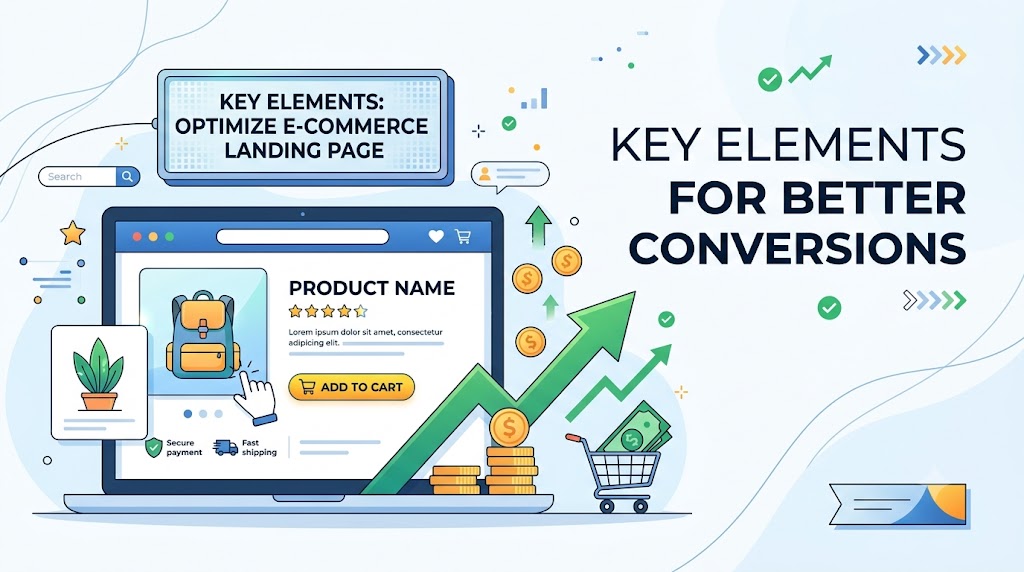
Bottom line is that the bottom line matters. As hard as it may sound, let us face it that there is an elephant in the room that nobody in your digital marketing team wants to talk about. May the truth be said that traffic building though challenging amounts to nothing if the traffic is not converted? Take this statistical data. If you are able to increase your conversion rate from 1% to 2%, you are essentially going to end up doubling your sales revenue.

Ace digital marketing guru Neil Patel in one of his writings asserts that the statistics for the conversion rates of industry verticals accruing from Facebook advertisement campaigns point to an average conversion rate of 9.21%. Citing this as the reference he further asserts that in comparison to Facebook advertisement campaigns the conversion yield from websites has a measly average rate of 2.35%. What could be the enormity of the challenge of conversion rate optimization then?

Conversion is the single most important pain point and the ball stops rolling here. Needless to say then, that the conversion rate of your website is probably one of the most important indicators of the sales funnel of your brand and undoubtedly the most challenging one as well.

Read More

The Role of Technology in Effective Business Marketing Solutions

For modern businesses, survival without technology is next to impossible, as they heavily rely on technological advancements. Most businesses are entirely dependent on technology, for example, eCommerce businesses. To help you decode the importance of technology for new-age businesses, here are some eye-opening stats:

Over 75% of businesses (globally) already have or are planning to move to eCommerce environment. Moreover, more than 90% of small and medium-sized businesses (SMBs) integrated digital communication tools, such as social networks and chatbots, into their processes.

For 87% of businesses (that are into SaaS), technology integration is very important. More than 60% of companies opt for tech integration to improve customer retention. 44% of businesses agree that technology helps them in cost saving. Over 70% of businesses experienced revenue growth after integration. 64% of companies invest in technology to improve their cybersecurity measures.

If we shift our focus on marketing, it helps businesses and marketing agencies bring desired results from their efforts. With AI-enabled marketing applications, you can deliver personalized experience to each of your customers through your highly effective campaigns. 44% of marketing managers use AI and ML to automate repetitive tasks. The same source highlights that more than 40% of professionals use AI to develop and implement social media strategies. Some marketers use technology to repurpose and optimize their content.

Let’s talk about the ways technology helps marketers bring results for their client businesses:

Read More

Ways to Use AI for SEO to Streamline Your Work

Has traditional SEO died? Is no one following the old SEO practices? If I still optimize my website the traditional SEO way, will I still be able to increase the traffic, visibility, and performance of my pages?

Well, saying it has died would be an overstatement here. But one thing we must agree upon is that some SEO practices have become outdated.

For example, keyword stuffing has become a sin now; earlier, about a decade back, some marketers would use keyword-loaded content and easily gain top positions in search engine results. If you would do this, your website will be penalized and will never be able to acquire any visibility or ranking on search engines.

SEO Strategies to Avoid

Here we list down those practices that have become completely outdated:

  • Spamming (read: stuffing) keywords
  • Creating multiple web pages for different versions of a keyword
  • Publishing duplicate, low-quality, or irrelevant content on your site or third-party sites
  • Using spun articles & blogs for backlink generation
  • Buying links on top DR/DA/PA websites
  • Not researching on the keyword planner
  • Buying domains with stuffed keywords
  • Not valuing user experience
  • Not paying attention to URL structure

AVOID implementing these SEO strategies on your or your clients’ website. As a marketer, you must be aware of all the algorithm updates being released by Google.

Read More

How to Rank Products and Merchants on ChatGPT?

With the integration of the all-new ChatGPT Search along with shopping features, people now ask for suggestions and get real product listings. This is a great opportunity for merchants, even the newest ones, to stand out. You can skip fancy advertisements along with other marketing gigs and yet gain sales just by making your product page GPT-ready. So, let’s see how you can do that.

Why Use ChatGPT to Rank Products and Merchants?

Instead of providing a bunch of websites, ChatGPT actually gives the result that users want. That is exactly why merchants need to focus on ranking their products in ChatGPT, as the ongoing and upcoming trend is going towards it. Let’s get to the more specific reasons behind taking the rankings on ChatGPT more seriously.

·       Gives You Free Exposure with High Purchase Intent

People searching for products or services in ChatGPT usually possess a genuine purchase intent. By ranking on their searches, you can thus become their purchase partner without paying for any ads or marketing campaigns.

Read More

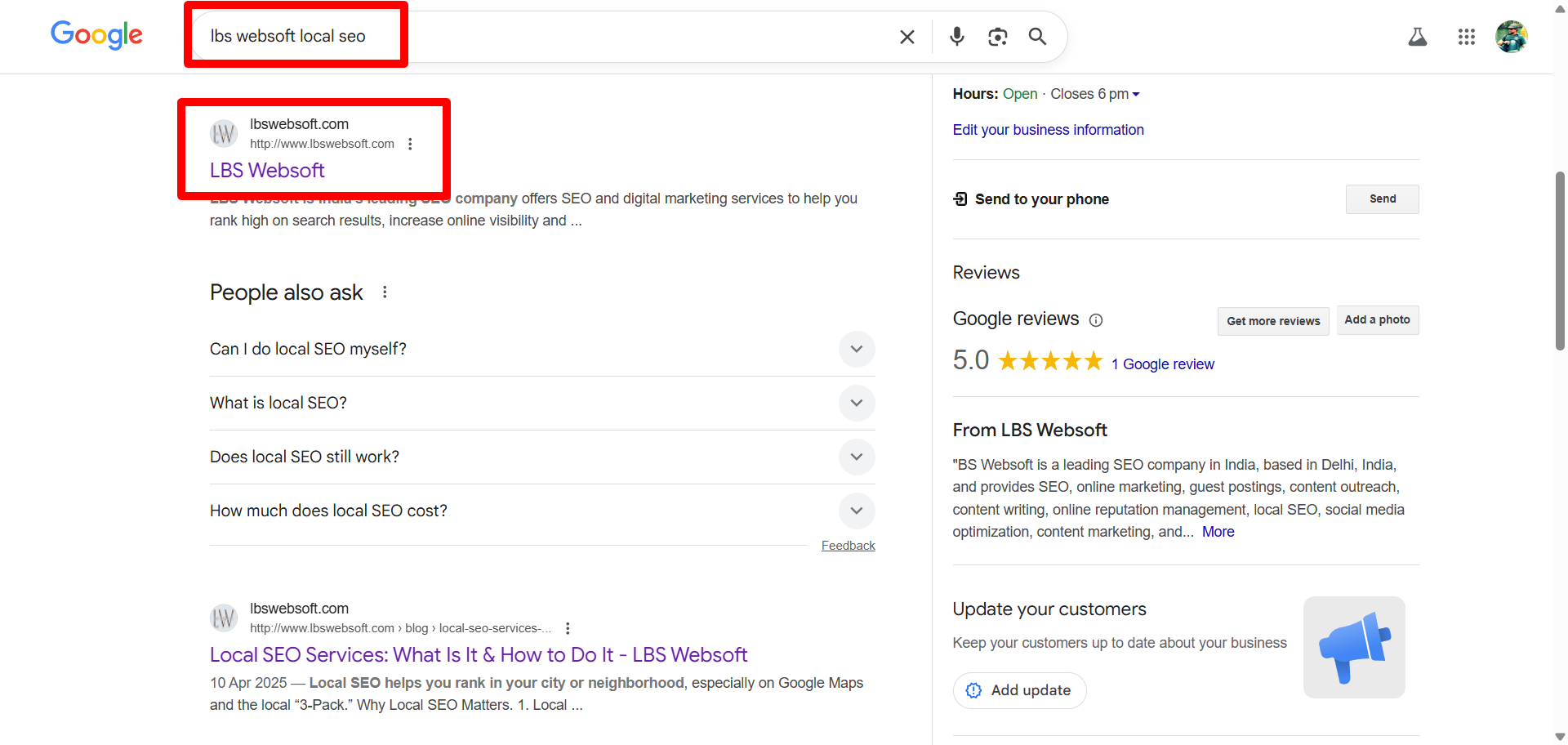
Local SEO Services: What Is It & How to Do It

If you run a business that serves customers in a specific area—like a restaurant, dentist, plumber, or retail store—local SEO isn’t optional. It’s how people nearby find you when they search for services or products like yours. And if you’re not showing up in those local searches, your competitors are.

This post breaks down what local SEO is, why it matters, and how to do it right—step by step.


What Is Local SEO Services?

Local SEO (Search Engine Optimization) is the process of optimizing your online presence to attract more business from relevant local searches on Google and other search engines.

These searches often include a location (e.g., “coffee shop near me” or “lawyer in Dallas”), or they happen on mobile devices with location tracking turned on. Google understands when a search has local intent—and it shows localized results.

The difference between standard SEO and local SEO service is the geographic focus. Traditional SEO services help you rank nationally or globally. Local SEO helps you rank in your city or neighborhood, especially on Google Maps and the local “3-Pack.”

Read More