The one constant thing in the digital world is CHANGE. That means if you don’t acknowledge or fully embrace it, your brand risks being left behind by evolving trends.
If you pause and think about web design, it has come a long way since the early days of basic, text-heavy layouts. Today, it’s hard to imagine a successful website without dynamic interactions, high-definition visual storytelling, micro-animations, and fast, mobile-optimized performance. If your website looks dated compared to your competitors, you risk losing potential clients every second.
The digital marketing landscape is shifting rapidly. Technologies that felt cutting-edge just a few years ago are now basic baseline expectations. New innovations, evolving search algorithms, and shifting consumer habits move so fast that falling behind means letting competitors take the lead.
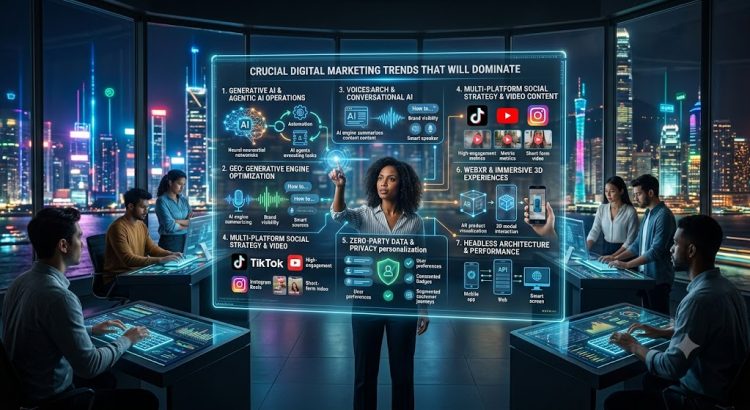
It’s time to look toward the future. Here are crucial digital marketing trends you need to embrace to stay ahead, keep your audience engaged, and scale your brand.
Artificial Intelligence Will Shape Digital Marketing
Artificial intelligence is no longer just a trend—it’s a core operational engine. Marketers rely heavily on AI to personalize user journeys, analyze predictive data, and streamline content workflows. AI integration has transformed from a competitive luxury into an everyday standard for digital marketing.
Read More